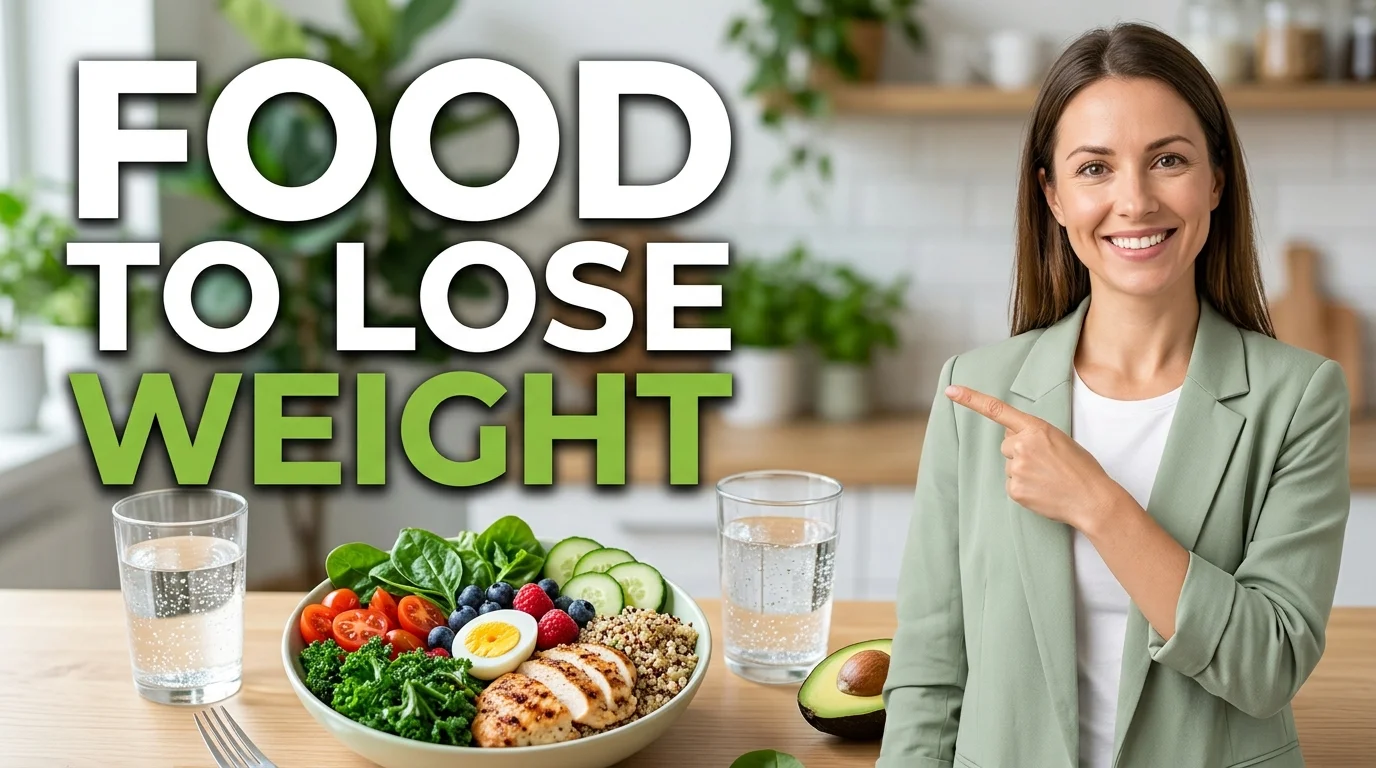
Losing weight can feel challenging when you are unsure what to eat, which foods to avoid, or how to build a healthy daily routine. Many people try strict diets, skip meals, or remove their favorite foods, only to struggle with hunger and regain the weight later. However, successful weight management does not require starving yourself. Choosing nutritious foods, controlling portions, and developing consistent eating habits can make the process easier and more sustainable.
The best food to lose weight is not necessarily an expensive ingredient or a special diet product. Everyday foods such as eggs, oatmeal, chicken, fish, vegetables, fruits, beans, and whole grains can help you create satisfying meals. These ingredients provide protein, fiber, vitamins, minerals, and other nutrients that support your overall health. They can also help you manage hunger while maintaining a suitable calorie intake.
Whether you want to improve your breakfast, prepare healthier lunches, or find satisfying dinner options, understanding which foods support weight management is an excellent starting point. This guide explores the best foods for weight loss, explains how they fit into a balanced diet, and provides practical meal ideas, portion-control tips, and a simple seven-day meal plan.
What Is the Best Food to Lose Weight?

There is no single food that automatically burns fat or guarantees weight loss. However, some foods make it easier to manage hunger, maintain a balanced diet, and control your daily calorie intake.
The best foods to eat to lose weight generally have one or more of these qualities:
- They provide protein to support muscle maintenance and fullness.
- They contain fiber that supports digestion and satisfaction.
- They have a high water content that adds volume to meals.
- They provide essential vitamins and minerals.
- They can replace less nutritious, calorie-dense foods.
- They fit into a balanced eating pattern.
Here are 25 healthy foods that can support your weight-management goals:
| Food | Main nutritional benefit |
| Eggs | High-quality protein |
| Oatmeal | Soluble fiber |
| Greek yogurt | Protein and calcium |
| Spinach | Vitamins and minerals |
| Broccoli | Fiber and vitamin C |
| Apples | Fiber and water |
| Berries | Fiber and antioxidants |
| Salmon | Protein and omega-3 fats |
| Chicken breast | Lean protein |
| Lentils | Plant-based protein and fiber |
| Chickpeas | Protein and complex carbohydrates |
| Avocados | Healthy unsaturated fats |
| Almonds | Protein and healthy fats |
| Chia seeds | Fiber and omega-3 fats |
| Sweet potatoes | Fiber and beta-carotene |
| Brown rice | Whole-grain carbohydrates |
| Cottage cheese | Protein |
| Cucumbers | Water and volume |
| Carrots | Fiber and beta-carotene |
| Oranges | Vitamin C and fiber |
| Pears | Dietary fiber |
| Tofu | Plant-based protein |
| Kidney beans | Protein and fiber |
| Quinoa | Protein and complex carbohydrates |
| Mushrooms | Nutrients and low calorie density |
Eating different foods from this list can help you create nutritious meals without following an unnecessarily restrictive diet.
Eggs: A Protein-Rich Food for Weight Loss

Eggs are among the most convenient and nutritious foods for people trying to manage their weight. They provide high-quality protein, vitamins, minerals, and essential amino acids that support normal body functions.
Protein is particularly important because it helps maintain muscle and can increase feelings of fullness after meals. Starting your day with a protein-rich breakfast may help you feel satisfied and reduce the temptation to snack frequently.
Eggs are also affordable and easy to prepare. You can boil them, scramble them, or make a vegetable omelet. Combining eggs with spinach, tomatoes, and whole-grain toast creates a balanced breakfast.
Why eggs are useful for weight management:
- Provide high-quality protein.
- Help make breakfast more satisfying.
- Contain vitamin B12 and other essential nutrients.
- Support muscle maintenance.
- Work well with vegetables and whole grains.
For a healthier preparation method, choose boiled eggs or omelets cooked with moderate amounts of oil. Avoid regularly adding excessive butter, cheese, or high-calorie sauces.
Oatmeal: A Filling Breakfast Choice
Oatmeal is one of the best breakfast foods for weight loss because it provides complex carbohydrates and soluble fiber.
One important type of fiber found in oats is beta-glucan. It helps support digestive health and can contribute to feelings of fullness. This makes oatmeal a practical choice for people who want a satisfying breakfast.
You can prepare oatmeal with water or milk and add nutritious toppings such as:
- Fresh strawberries.
- Blueberries.
- Chia seeds.
- Sliced apples.
- Cinnamon.
- A small serving of almonds.
Plain oatmeal is generally a better everyday option than heavily sweetened instant varieties.
Remember that oatmeal is not a fat-burning food. Its value comes from providing fiber and helping you build a balanced meal.
Greek Yogurt: Protein and Calcium in One Food
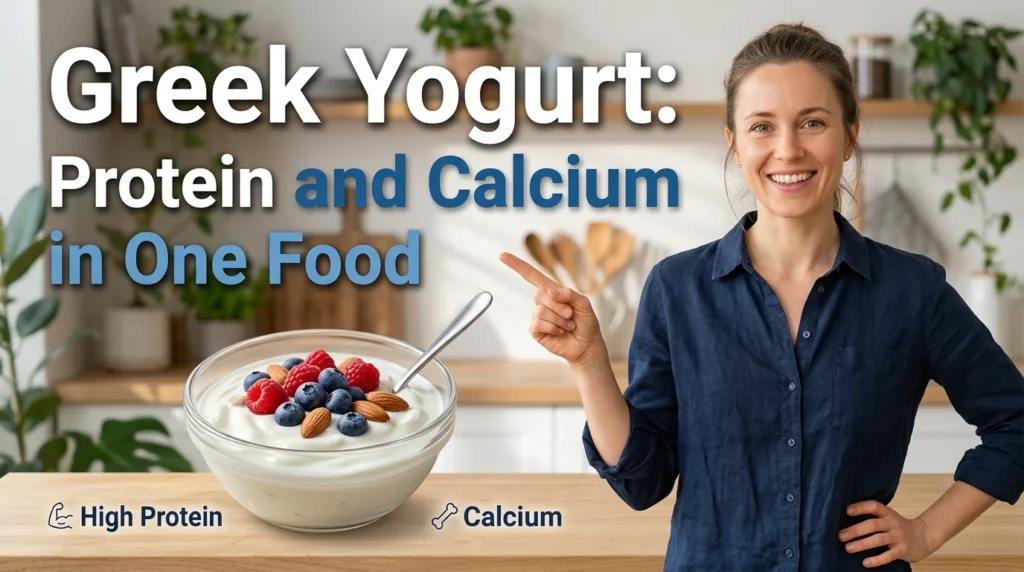
Greek yogurt is another excellent choice for people looking for healthy foods for weight loss. It generally contains more protein than regular yogurt, although the amount varies between brands.
Protein helps support muscle maintenance and contributes to meal satisfaction. Greek yogurt also provides calcium, which is important for bone health.
Choose plain, unsweetened Greek yogurt whenever possible. Some flavored varieties contain considerable amounts of added sugar.
You can enjoy it with fresh berries, apples, chia seeds, or a small serving of nuts.
It can also be used as a base for homemade dips and dressings instead of heavier creamy alternatives.
4. Spinach: A Nutrient-Rich Leafy Green
Spinach is a nutritious vegetable that fits easily into a weight-loss eating plan. It provides vitamin K, folate, vitamin A precursors, potassium, and other beneficial nutrients.
It also contains water and fiber while generally being low in calories.
You can add spinach to omelets, soups, salads, vegetable curries, and homemade smoothies.
For example, combining spinach with eggs and whole-grain toast creates a balanced breakfast. Adding spinach to lentil soup increases the vegetable content without significantly increasing the meal’s calorie density.
Other leafy greens, including kale, lettuce, and mustard greens, are also useful choices.
5. Broccoli: A Fiber-Rich Vegetable
Broccoli is one of the best vegetables for weight loss because it provides fiber, water, vitamin C, vitamin K, and beneficial plant compounds.
Fiber supports normal digestion and can help meals feel more satisfying. Broccoli also adds volume to your plate without contributing a large number of calories.
You can prepare broccoli in several ways:
- Steam it as a side dish.
- Roast it with garlic and spices.
- Add it to vegetable soups.
- Combine it with grilled chicken.
- Include it in homemade stir-fries.
Avoid covering it with large amounts of butter, cheese, or heavy sauces if you want to keep your meals lighter.
6. Apples: A Convenient Fruit for Weight Management
Apples are among the best fruits for weight loss because they provide dietary fiber, water, and natural carbohydrates.
Eating a whole apple with its skin gives you more fiber than drinking apple juice. Fiber helps make snacks more satisfying and supports normal digestive function.
Apples are also convenient because you can carry them to work, school, or other activities.
Try combining an apple with a small serving of peanut butter or a few almonds for a snack containing carbohydrates, fiber, and healthy fats.
You can also add sliced apples to oatmeal or plain yogurt.
7. Berries: Naturally Sweet and Nutritious
Berries are excellent natural foods for weight loss because they provide fiber, water, vitamins, and plant compounds.
Strawberries, blueberries, raspberries, and blackberries are all nutritious options.
Raspberries are particularly rich in dietary fiber, while blueberries contain anthocyanins, plant compounds responsible for their deep blue color.
Berries can help satisfy sweet cravings while adding nutritional value to your meals.
Enjoy them in:
- Greek yogurt.
- Oatmeal.
- Homemade smoothies.
- Fresh fruit salads.
- Whole-grain breakfast bowls.
Fresh and frozen unsweetened berries are both suitable choices.
8. Salmon and Other Fish: Protein and Healthy Fats
Fish is an important source of high-quality protein. Some varieties, including salmon, sardines, and mackerel, also provide omega-3 fatty acids.
Protein helps maintain muscle and supports feelings of fullness. Omega-3 fats contribute to normal heart and brain function.
Other useful fish choices include tuna, cod, and tilapia.
Grilling, baking, steaming, and lightly pan-cooking fish are practical preparation methods.
For a balanced meal, serve fish with steamed broccoli, roasted vegetables, or a moderate portion of brown rice.
Deep-fried fish and heavy sauces can add substantial calories, so choose simpler cooking methods more frequently.
9. Chicken Breast: Lean Protein for Satisfying Meals
Chicken breast is one of the most popular high-protein foods for weight loss. It provides substantial protein and relatively little fat when prepared without the skin.
Protein is especially useful during weight loss because it helps preserve muscle mass when combined with appropriate nutrition and physical activity.
Chicken is also versatile and works in many different recipes.
You can prepare:
- Grilled chicken salad.
- Chicken and vegetable soup.
- Baked chicken with broccoli.
- Chicken whole-grain wraps.
- Chicken with brown rice.
Use herbs, lemon, garlic, ginger, and spices to improve flavor without relying on excessive oil or creamy sauces.
10. Lentils: Affordable Plant-Based Protein
Lentils are an excellent food for people who want to lose weight while eating affordable, nutritious meals.
They provide plant-based protein, dietary fiber, iron, folate, and complex carbohydrates.
The combination of protein and fiber can help make meals satisfying. Lentils are also useful for vegetarians who want to increase their protein intake.
You can prepare lentils as:
- Homemade lentil soup.
- Daal curry.
- Lentil salad.
- Lentil and vegetable bowls.
- Lentil-based patties.
For a balanced meal, combine lentils with vegetables and a suitable serving of whole-grain roti or rice.
11. Chickpeas: A Filling and Versatile Food
Chickpeas provide plant-based protein, fiber, and complex carbohydrates.
They can be included in a variety of meals, making them a convenient ingredient for people who prefer vegetarian foods.
Try adding boiled chickpeas to salads with cucumber, tomatoes, onions, and lemon juice.
You can also prepare homemade chickpea curry or roast chickpeas with moderate amounts of oil and spices.
Because chickpeas contain carbohydrates as well as protein, portion size should match your overall nutritional needs.
12. Avocados: Healthy Unsaturated Fats
Avocados contain monounsaturated fats, fiber, potassium, and several vitamins.
Healthy fats help the body absorb certain vitamins and contribute to meal satisfaction. Avocados can therefore be part of a balanced diet.
However, they are more calorie-dense than many fruits and vegetables.
A moderate serving can be added to:
- Whole-grain toast.
- Fresh salads.
- Vegetable bowls.
- Homemade sandwiches.
- Egg-based breakfasts.
You do not need to avoid avocados when trying to lose weight. Simply pay attention to the amount you eat.
13. Almonds and Other Nuts: Healthy Snack Options
Almonds, walnuts, pistachios, and other nuts provide protein, fiber, healthy fats, and important minerals.
They can make satisfying snacks and are easy to include in everyday meals.
However, nuts are calorie-dense. Eating large portions can increase your calorie intake quickly.
A small serving of unsalted almonds or walnuts can be added to oatmeal, yogurt, or fruit.
Choose plain or lightly roasted varieties instead of products coated with sugar, chocolate, or excessive salt.
14. Chia Seeds: Fiber and Plant-Based Omega-3 Fats
Chia seeds are small but nutrient-dense. They contain dietary fiber, plant-based omega-3 fatty acids, protein, and minerals.
Their fiber content can help make meals more satisfying. When mixed with liquid, chia seeds absorb water and develop a gel-like texture.
You can add them to:
- Oatmeal.
- Greek yogurt.
- Smoothies.
- Homemade puddings.
- Fruit bowls.
Start with a small serving and increase gradually if your digestive system tolerates it comfortably.
Chia seeds can support a healthy eating pattern, but they do not directly burn body fat.
15. Sweet Potatoes: A Nutritious Carbohydrate Source
Sweet potatoes provide complex carbohydrates, fiber, potassium, and beta-carotene.
They can be included in a weight-loss diet because they offer useful nutrients and can make meals satisfying.
Try baking, boiling, steaming, or roasting sweet potatoes.
A baked sweet potato served with grilled chicken and vegetables creates a balanced meal.
Avoid regularly preparing deep-fried sweet potato fries or adding large amounts of butter and sugary toppings.
16. Brown Rice: A Whole-Grain Option
Brown rice is a whole grain that contains fiber and several nutrients. Unlike white rice, it retains its bran and germ, which contribute to its nutritional value.
It provides carbohydrates that supply energy for everyday activities.
You can combine brown rice with:
- Grilled fish.
- Chicken breast.
- Lentils.
- Kidney beans.
- Mixed vegetables.
Brown rice is not automatically better for every person or every meal, and white rice can also fit into a balanced diet. Portion size and the overall meal composition matter most.
17. Cottage Cheese: A Protein-Rich Dairy Choice
Cottage cheese is a convenient source of protein and calcium.
It contains casein, a slowly digested milk protein, and can make a satisfying breakfast or snack.
You can combine cottage cheese with sliced fruit, cucumber, tomatoes, or whole-grain crackers.
Check the nutrition label for sodium content, as some varieties contain more salt than others.
18. Cucumbers: A Hydrating, Low-Calorie Vegetable
Cucumbers contain a high proportion of water and provide small amounts of vitamins and minerals.
Their low calorie density makes them useful for adding volume to meals.
You can enjoy cucumber slices with yogurt dip, include them in salads, or serve them alongside homemade meals.
Cucumbers are particularly useful in hot weather when staying hydrated is important.
However, eating cucumbers alone will not produce weight loss. They work best as part of a balanced eating pattern.
19. Carrots: Fiber and Beta-Carotene
Carrots provide fiber, potassium, and beta-carotene, which the body can convert into vitamin A.
They are naturally sweet and can be enjoyed raw or cooked.
Add carrots to salads, vegetable soups, lentil dishes, or homemade wraps.
Carrot sticks also make a convenient snack when paired with hummus or plain yogurt dip.
20. Oranges: A Refreshing Source of Vitamin C
Oranges are nutritious fruits that provide vitamin C, water, and dietary fiber.
Eating a whole orange is generally more satisfying than drinking orange juice because the whole fruit retains its fiber.
Oranges can be eaten between meals or included in a fruit salad.
Other citrus fruits, including mandarins and grapefruit, can also fit into a balanced weight-loss diet.
21. Pears: A Fiber-Rich Fruit
Pears contain dietary fiber, water, and natural carbohydrates.
Their fiber content makes them a useful addition to a balanced eating pattern.
You can enjoy pears as a snack, add them to oatmeal, or combine them with plain yogurt.
Eating the whole fruit with its skin provides more fiber than consuming pear juice.
22. Tofu: A Plant-Based Protein Source
Tofu is made from soybeans and provides plant-based protein.
It is a useful ingredient for vegetarians and anyone who wants to reduce their reliance on meat.
You can grill tofu, add it to vegetable stir-fries, or include it in soups and salads.
Tofu absorbs the flavors of spices, herbs, and marinades, making it easy to prepare in different ways.
23. Kidney Beans: Fiber and Protein Together
Kidney beans provide plant-based protein, fiber, complex carbohydrates, and minerals.
They are useful for making satisfying meals without depending entirely on animal protein.
Add kidney beans to homemade curries, salads, vegetable soups, or rice dishes.
If you use canned beans, rinse them before cooking to remove some of the added sodium.
24. Quinoa: A Nutritious Whole-Grain Alternative
Quinoa is a seed commonly prepared and eaten like a grain. It provides carbohydrates, fiber, and plant-based protein.
It can be used as an alternative to rice in many meals.
Combine cooked quinoa with vegetables, chickpeas, grilled chicken, or fish to create a balanced lunch or dinner.
Quinoa is nutritious, but it is not essential for weight loss. Affordable alternatives such as oats, rice, and lentils can also provide valuable nutrients.
25. Mushrooms: A Versatile Low-Calorie Ingredient
Mushrooms are relatively low in calories and provide several vitamins, minerals, and beneficial compounds.
Their savory flavor makes them a useful ingredient in meals that might otherwise contain large amounts of meat or cheese.
You can add mushrooms to omelets, soups, salads, vegetable curries, and stir-fries.
Cook them with moderate amounts of oil and combine them with protein-rich foods for a satisfying meal.
How Do Certain Foods Help You Lose Weight?
Understanding how different foods support weight management can help you make better choices.
Weight loss generally requires a calorie deficit, meaning your body uses more energy than it receives from food and drinks over time.
However, this does not mean you need to starve yourself or count every calorie. Choosing foods that provide protein, fiber, and volume can make maintaining a suitable calorie intake easier.
1. Protein Helps Control Hunger
Protein is an essential nutrient for muscle maintenance, tissue repair, and many other body functions.
It can also increase feelings of fullness after eating.
Good protein sources include:
- Eggs.
- Chicken.
- Fish.
- Greek yogurt.
- Cottage cheese.
- Lentils.
- Beans.
- Tofu.
Including protein in your main meals can help create a more satisfying eating pattern.
2. Fiber Supports Digestion and Fullness
Fiber is found in fruits, vegetables, beans, lentils, seeds, and whole grains.
It supports digestive health and helps increase the feeling of fullness after meals.
Soluble fiber, found in foods such as oats, apples, and beans, can also help support healthy cholesterol levels.
Increase fiber gradually and drink enough water to support comfortable digestion.
3. Water-Rich Foods Add Meal Volume
Some foods contain a high percentage of water. These ingredients can add volume to meals without contributing many calories.
Examples include:
- Cucumbers.
- Tomatoes.
- Watermelon.
- Lettuce.
- Strawberries.
- Oranges.
- Zucchini.
Adding water-rich foods to your meals can help make portions look and feel more satisfying.
4. Whole Foods Improve Overall Diet Quality
Whole foods often provide more fiber and essential nutrients than highly processed alternatives.
Replacing some packaged sweets, sugary drinks, and fried snacks with fruits, vegetables, whole grains, and protein-rich foods can improve your overall eating pattern.
You do not need to eliminate every processed food. Focus on choosing nutritious options more often.
How Does a Calorie Deficit Help With Weight Loss?
A calorie deficit occurs when you consume fewer calories than your body uses over a period of time.
Your body needs energy for breathing, digestion, movement, maintaining body temperature, and other normal functions.
When energy intake remains below energy expenditure, the body can use stored energy, including body fat, to meet its needs.
For example, if someone regularly consumes slightly fewer calories than their body uses, they may gradually lose weight.
However, the ideal calorie intake differs from person to person.
Factors that influence calorie requirements include:
- Age.
- Height.
- Body weight.
- Activity level.
- Muscle mass.
- Health conditions.
- Individual nutritional needs.
Avoid extreme calorie restriction. Eating too little can make it difficult to obtain essential nutrients and maintain healthy habits.
A gradual, sustainable approach is generally more practical than attempting rapid weight loss.
Best Breakfast Foods for Weight Loss
Breakfast provides an opportunity to include protein, fiber, and nutritious carbohydrates in your daily routine.
If you want to know what to eat for breakfast to lose weight, consider these combinations.
| Breakfast | Why it is useful |
| Boiled eggs and whole-grain toast | Protein and fiber |
| Oatmeal with berries | Soluble fiber and vitamins |
| Greek yogurt with apples | Protein and fiber |
| Vegetable omelet | Protein and vegetables |
| Cottage cheese with fruit | Protein and calcium |
| Oatmeal with chia seeds | Fiber and healthy fats |
A satisfying breakfast can help you manage hunger throughout the morning.
You do not need to eat breakfast immediately after waking up if it does not suit your routine. The overall quality and quantity of your daily diet are more important than following a rigid meal schedule.
Healthy Lunch Ideas for Weight Loss
Lunch should provide enough energy and nutrients to support your afternoon activities.
A useful approach is to combine protein, vegetables, and a moderate portion of carbohydrates.
Here are some practical healthy lunch ideas for weight loss.
Grilled Chicken Salad
Combine grilled chicken breast with lettuce, cucumber, tomatoes, carrots, and a light dressing.
This meal provides protein, fiber, and several vitamins.
Lentil Soup
Prepare lentils with onions, tomatoes, carrots, garlic, and spices.
Lentils provide plant-based protein and fiber, making this an affordable lunch option.
Brown Rice Bowl
Combine brown rice with grilled chicken, fish, beans, or tofu and add mixed vegetables.
Chickpea Salad
Mix boiled chickpeas with cucumber, tomatoes, onions, lemon juice, and fresh herbs.
Whole-Grain Vegetable Wrap
Fill a whole-grain wrap with grilled vegetables and a protein source such as chicken, beans, or tofu.
These meals can be adjusted to suit your appetite, budget, and nutritional needs.
Best Dinner Foods to Lose Weight
Dinner does not need to be extremely small or consist only of vegetables.
A balanced evening meal can include protein, vegetables, and a moderate serving of carbohydrates.
Some healthy dinner options include:
- Grilled chicken with steamed broccoli.
- Baked fish with roasted vegetables.
- Lentil curry with a moderate serving of rice.
- Vegetable soup with beans.
- Grilled tofu with mixed vegetables.
- Egg and spinach omelet with whole-grain toast.
If you feel hungry later in the evening, a small nutritious snack may be appropriate.
Eating after a particular hour does not automatically cause weight gain. Overall food intake and long-term eating habits matter more than a strict nighttime eating rule.
Best Fruits for Weight Loss
Fruits provide vitamins, minerals, fiber, water, and natural carbohydrates.
They can satisfy sweet cravings and make nutritious snacks.
Here are some of the best fruits to include in your diet:
| Fruit | Nutritional benefit |
| Apples | Fiber and water |
| Strawberries | Fiber and vitamin C |
| Blueberries | Antioxidant compounds |
| Oranges | Vitamin C |
| Pears | Dietary fiber |
| Kiwi | Fiber and vitamin C |
| Guava | Fiber and vitamin C |
| Watermelon | High water content |
| Papaya | Fiber and vitamins |
| Grapefruit | Water and vitamin C |
Whole fruits are generally preferable to juices because they retain their natural fiber.
You do not need to avoid bananas, mangoes, grapes, or other naturally sweet fruits. They can also fit into a balanced diet when eaten in suitable portions.
Best Vegetables for Weight Loss
Vegetables are important because they provide essential nutrients and help increase the volume of meals.
Most non-starchy vegetables are relatively low in calories, making them useful for people who want satisfying meals.
Some excellent options include:
- Spinach.
- Broccoli.
- Cauliflower.
- Cucumber.
- Carrots.
- Tomatoes.
- Bell peppers.
- Cabbage.
- Zucchini.
- Green beans.
- Lettuce.
- Mushrooms.
Try to include different colors of vegetables throughout the week. Each variety provides a slightly different combination of nutrients.
You can enjoy them raw, steamed, roasted, grilled, or cooked in homemade dishes.
A Simple Seven-Day Weight-Loss Meal Plan
A simple weight loss meal plan can make healthy eating easier by removing the guesswork from daily food choices.
The following example includes a variety of nutritious ingredients. Adjust the portions according to your hunger, nutritional requirements, and activity level.
| Day | Breakfast | Lunch | Dinner |
| Monday | Eggs and whole-grain toast | Grilled chicken salad | Fish with vegetables |
| Tuesday | Oatmeal and berries | Lentil soup | Chicken with brown rice |
| Wednesday | Greek yogurt and fruit | Tuna salad | Vegetable and bean curry |
| Thursday | Vegetable omelet | Chickpea salad | Grilled fish and broccoli |
| Friday | Oatmeal and chia seeds | Chicken wrap | Lentils with vegetables |
| Saturday | Eggs and spinach | Brown rice and beans | Baked chicken and salad |
| Sunday | Greek yogurt and apples | Vegetable soup | Fish with sweet potato |
Healthy Snacks Between Meals
You can include snacks when you are hungry between meals.
Some nutritious options include:
- One apple.
- A small serving of almonds.
- Plain Greek yogurt.
- Carrot and cucumber sticks.
- A boiled egg.
- Fresh berries.
- Cottage cheese.
Snacking is not necessary for everyone. Choose a routine that suits your appetite and daily schedule.
Healthy Pakistani Foods for Weight Loss
You do not need expensive imported ingredients to follow a healthy eating pattern. Traditional Pakistani foods can also support weight management when prepared with balanced ingredients and appropriate portions.
Here are some practical options.
1. Daal
Daal provides plant-based protein and fiber.
Prepare it with moderate amounts of oil and serve it with vegetables or a suitable portion of whole-wheat roti.
2. Chicken Karahi
Homemade chicken karahi can be a nutritious meal when prepared with moderate oil, tomatoes, ginger, garlic, and spices.
Choose reasonable portions and serve it with salad or vegetables.
3. Chana
Chickpeas provide fiber and protein.
You can prepare chana curry or enjoy boiled chickpeas with tomatoes, onions, cucumber, lemon, and fresh coriander.
4. Whole-Wheat Roti
Roti can be included in a weight-loss diet.
Choose whole-wheat flour when possible, pay attention to portions, and avoid adding excessive ghee or butter.
5. Vegetable Sabzi
Homemade vegetable dishes made with spinach, cauliflower, cabbage, okra, or seasonal vegetables can provide essential nutrients.
Use moderate amounts of cooking oil.
6. Dahi
Plain yogurt provides protein and calcium.
You can enjoy it with lunch or dinner or combine it with cucumber and herbs to make a simple raita.
7. Grilled Fish
Grilled fish is a useful source of protein.
Season it with lemon, garlic, ginger, and traditional spices instead of using heavy coatings.
8. Vegetable Soup
Homemade soup with carrots, tomatoes, spinach, cabbage, and other vegetables can make a satisfying addition to your meals.
Traditional Pakistani food can fit into a healthy lifestyle. You do not need to stop eating rice, roti, or familiar homemade dishes to manage your weight.
Affordable Foods for Weight Loss on a Budget
Healthy eating does not have to be expensive.
Many affordable foods provide excellent nutrition and can be used in different meals.
Consider these budget-friendly ingredients:
- Eggs.
- Oats.
- Lentils.
- Chickpeas.
- Seasonal vegetables.
- Seasonal fruits.
- Beans.
- Plain yogurt.
- Cabbage.
- Carrots.
- Rice.
- Potatoes.
- Homemade soups.
Buying seasonal produce and preparing meals at home can help reduce food expenses.
You can also cook larger portions of lentils and beans and use them in different meals throughout the week.
Frozen vegetables are another useful option. They are convenient and can provide valuable nutrients.
Vegetarian Foods for Weight Loss
Vegetarians can lose weight without eating meat.
Many plant-based foods provide protein, fiber, vitamins, and minerals that support a balanced diet.
Some excellent vegetarian options include:
Lentils: Provide plant-based protein, fiber, iron, and folate.
Chickpeas: Work well in salads, soups, and homemade curries.
Tofu: Provides protein and can replace meat in many recipes.
Greek yogurt: Offers protein and calcium if dairy is part of your diet.
Beans: Supply fiber and plant-based protein.
Quinoa: Provides carbohydrates, fiber, and some protein.
Chia seeds: Contain fiber and healthy fats.
Vegetables: Provide essential vitamins, minerals, and fiber.
A vegetarian weight-loss meal should include enough protein rather than relying entirely on salads or low-calorie vegetables.
Best Foods to Eat at Night for Weight Loss
Many people wonder whether eating at night prevents weight loss.
The truth is that eating after a particular time does not automatically cause fat gain. Your overall calorie intake and long-term eating pattern matter more.
If you are genuinely hungry before bedtime, consider a small snack such as:
- Plain Greek yogurt.
- A boiled egg.
- A small apple.
- Cottage cheese.
- Cucumber slices.
- A small serving of almonds.
Choose foods that satisfy your hunger without making you uncomfortably full.
Foods That Burn Belly Fat: What You Should Know
Many people search for foods that burn belly fat because they want to reduce abdominal fat specifically.
However, no individual food can target fat loss in one particular area of the body.
Lemon water, green tea, ginger, cinnamon, apples, and other popular ingredients do not directly melt belly fat.
Abdominal fat generally decreases through overall body-fat reduction, which involves maintaining an appropriate calorie deficit over time.
A balanced eating pattern that includes protein-rich foods, vegetables, fruits, whole grains, and healthy fats can support this process.
Regular physical activity, sufficient sleep, and consistent eating habits are also important.
Foods to Limit When Trying to Lose Weight
You do not have to eliminate your favorite foods completely. However, some foods and drinks can make it more difficult to maintain a suitable calorie intake when consumed frequently or in large quantities.
Sugary Drinks
Soft drinks, sweetened juices, energy drinks, and sugary coffees can add substantial calories without providing much fullness.
Choose water, unsweetened tea, or other low-calorie beverages more frequently.
Deep-Fried Foods
French fries, fried chicken, and heavily fried snacks can contain significant amounts of added fat and calories.
Grilled, baked, steamed, or air-fried alternatives may be better everyday choices.
Highly Processed Snacks
Chips, cookies, packaged cakes, and similar snacks can be easy to overeat.
Try replacing some of these snacks with fruit, yogurt, vegetables, or a small serving of nuts.
Sugary Desserts
Cakes, pastries, ice cream, and sweet desserts can fit into a balanced lifestyle occasionally.
However, frequent large servings may make weight management more difficult.
Large Portions of Refined Carbohydrates
White bread, refined cereals, and large portions of white rice are not automatically unhealthy.
Nevertheless, choosing whole grains more often can increase fiber intake and improve overall diet quality.
How to Control Food Portions Without Feeling Hungry
Portion control is an important part of weight management, but it does not mean eating tiny meals or ignoring hunger.
The goal is to create satisfying meals that provide the nutrients your body needs.
One practical approach is the balanced plate method.
Divide your plate into three main sections:
- Half the plate: Non-starchy vegetables such as spinach, broccoli, carrots, and cucumber.
- One-quarter of the plate: Protein sources such as chicken, fish, eggs, tofu, or beans.
- One-quarter of the plate: Carbohydrate sources such as brown rice, whole-grain roti, potatoes, or quinoa.
You can also include a small amount of healthy fat, such as olive oil, avocado, or nuts.
Other useful portion-control habits include:
- Eat slowly and pay attention to fullness.
- Avoid eating directly from large snack packages.
- Serve food on a plate instead of constantly refilling it.
- Include protein and fiber in main meals.
- Avoid skipping meals if it leads to excessive hunger.
- Choose portions that suit your nutritional needs.
You do not need to measure every ingredient forever. Learning reasonable serving sizes can make healthy eating easier over time.
Common Mistakes People Make When Choosing Weight-Loss Foods
Even when people choose nutritious ingredients, certain habits can make weight management more difficult.
Skipping Meals
Skipping meals is not necessary for weight loss.
For some people, it can lead to excessive hunger and overeating later in the day.
Choose a meal schedule that works with your appetite and daily routine.
Eating Too Little Protein
Meals containing mostly carbohydrates and very little protein may not provide lasting satisfaction.
Include foods such as eggs, chicken, fish, yogurt, tofu, lentils, and beans.
Eating Too Many Healthy Snacks
Nuts, seeds, avocados, and dried fruits provide nutrients, but they can also contain substantial calories.
Healthy foods still require appropriate portions.
Drinking Too Many Calories
Sugary coffee, soft drinks, milkshakes, and sweetened beverages can increase daily calorie intake.
Choose water and unsweetened beverages more frequently.
Expecting Immediate Results
Healthy weight loss takes time.
Rapid weight-loss promises often encourage unrealistic expectations and unsustainable habits.
Focus on consistent progress instead of expecting dramatic changes within a few days.
Following Extremely Restrictive Diets
Removing entire food groups without a medical reason can make eating unnecessarily difficult and may lead to nutritional deficiencies.
A balanced approach is generally easier to maintain.
How Much Water Should You Drink During Weight Loss?
Water is essential for digestion, temperature regulation, hydration, and other normal body functions.
Drinking enough water may also help you recognize the difference between thirst and hunger.
Replacing sugary drinks with water can reduce unnecessary calorie intake.
However, drinking excessive amounts of water does not directly burn body fat.
Your hydration needs depend on factors such as climate, physical activity, body size, and overall health. People living in hot environments or exercising regularly may need additional fluids.
Some useful hydration habits include:
- Drink water throughout the day.
- Keep a reusable water bottle nearby.
- Drink water during and after exercise.
- Include water-rich fruits and vegetables.
- Increase fluid intake during hot weather.
Water should complement nutritious meals rather than replace them.
Tips for Maintaining Weight Loss in the Long Term
Losing weight is one goal, but maintaining healthy habits over time is equally important.
You can make your routine easier by following these practical strategies:
- Prepare meals at home more frequently.
- Include protein in your main meals.
- Eat different fruits and vegetables.
- Choose whole grains more often.
- Watch portion sizes without obsessing over food.
- Limit sugary drinks.
- Stay physically active.
- Get enough sleep.
- Avoid extremely restrictive diets.
- Follow eating habits that fit your lifestyle.
You do not need to follow a perfect diet every day. Consistency matters more than occasional mistakes.
If you enjoy a favorite dessert or restaurant meal, you can still return to your usual healthy eating routine afterward.
Frequently Asked Questions
1. What Is the Best Food to Lose Weight Quickly?
There is no single food that guarantees quick weight loss. Eggs, vegetables, oatmeal, fish, chicken, beans, fruits, and Greek yogurt can support a balanced eating pattern. Combining nutritious foods with an appropriate calorie intake is more effective than relying on one special ingredient.
2. Which Fruits Help With Weight Loss?
Apples, berries, oranges, pears, kiwi, grapefruit, guava, and watermelon are nutritious choices. They provide different combinations of fiber, water, vitamins, and minerals. Whole fruits are generally more filling than fruit juices.
3. Can I Eat Rice While Trying to Lose Weight?
Yes. Rice can be part of a healthy weight-loss diet. The important factors are portion size and what you eat alongside it. Combine rice with vegetables and protein sources such as chicken, fish, beans, or lentils.
4. Are Eggs Good for Weight Loss?
Yes. Eggs provide high-quality protein and several important nutrients. They can help make breakfast more satisfying. Boiled eggs and vegetable omelets are convenient options for a balanced diet.
5. Is Oatmeal Good for Losing Weight?
Oatmeal can support weight management because it provides soluble fiber and helps create filling meals. Choose plain oats and add nutritious ingredients such as berries, yogurt, or chia seeds instead of excessive sugar.
6. What Should I Eat at Night to Lose Weight?
You can enjoy a balanced dinner containing vegetables, protein, and a moderate serving of carbohydrates. Examples include grilled fish with broccoli, chicken with vegetables, lentil soup, or an egg omelet.
7. Can I Lose Weight Without Exercise?
Weight loss is possible through dietary changes because calorie intake plays an important role. However, physical activity provides additional health benefits, supports muscle maintenance, and improves cardiovascular fitness.
8. Are Bananas Good for Weight Loss?
Yes. Bananas contain fiber, potassium, and natural carbohydrates. They can fit into a balanced diet and make convenient snacks. You do not need to avoid bananas simply because they contain natural sugars.
9. Which Vegetables Are Best for Weight Loss?
Spinach, broccoli, cauliflower, cucumber, cabbage, carrots, tomatoes, lettuce, and zucchini are useful options. They provide fiber, water, vitamins, and minerals while generally being relatively low in calories.
10. How Can I Lose Weight Without Feeling Hungry?
Include protein-rich foods, fiber-rich vegetables, fruits, beans, and whole grains in your meals. These foods can improve fullness and make it easier to manage portions. Avoid excessively restrictive eating patterns that leave you constantly hungry.
11. Can I Eat Roti While Trying to Lose Weight?
Yes. Whole-wheat roti can be part of a balanced weight-loss diet. Pay attention to portion sizes and combine it with protein sources such as daal, chicken, beans, or fish and plenty of vegetables.
12. What Are the Best Affordable Foods for Weight Loss?
Eggs, lentils, chickpeas, beans, oats, seasonal vegetables, seasonal fruits, potatoes, and plain yogurt are affordable choices. They provide valuable nutrients and can be used to prepare satisfying homemade meals.
Conclusion
Choosing the right food to lose weight can make your health journey easier, more satisfying, and more sustainable. Instead of following extreme diets or skipping meals, focus on nutritious ingredients such as eggs, oatmeal, Greek yogurt, vegetables, fruits, fish, chicken, beans, and whole grains. These foods provide protein, fiber, vitamins, and minerals that support overall health and help create satisfying meals.
Remember that no single food burns fat automatically. Successful weight management comes from maintaining a suitable calorie balance, controlling portions, eating a variety of nutritious foods, staying physically active, and getting sufficient sleep. You do not need expensive ingredients or complicated meal plans to make progress. Start with small changes, choose foods you enjoy, and build healthy eating habits you can maintain for years

Sophia Collins is a passionate English grammar writer at GrammBoost.com who loves making the English language simple and easy to understand. She creates clear, beginner-friendly guides on grammar, spelling, word differences, and common language mistakes. Her goal is to help students, writers, and English learners build confidence and improve their writing through practical, easy-to-follow explanations.