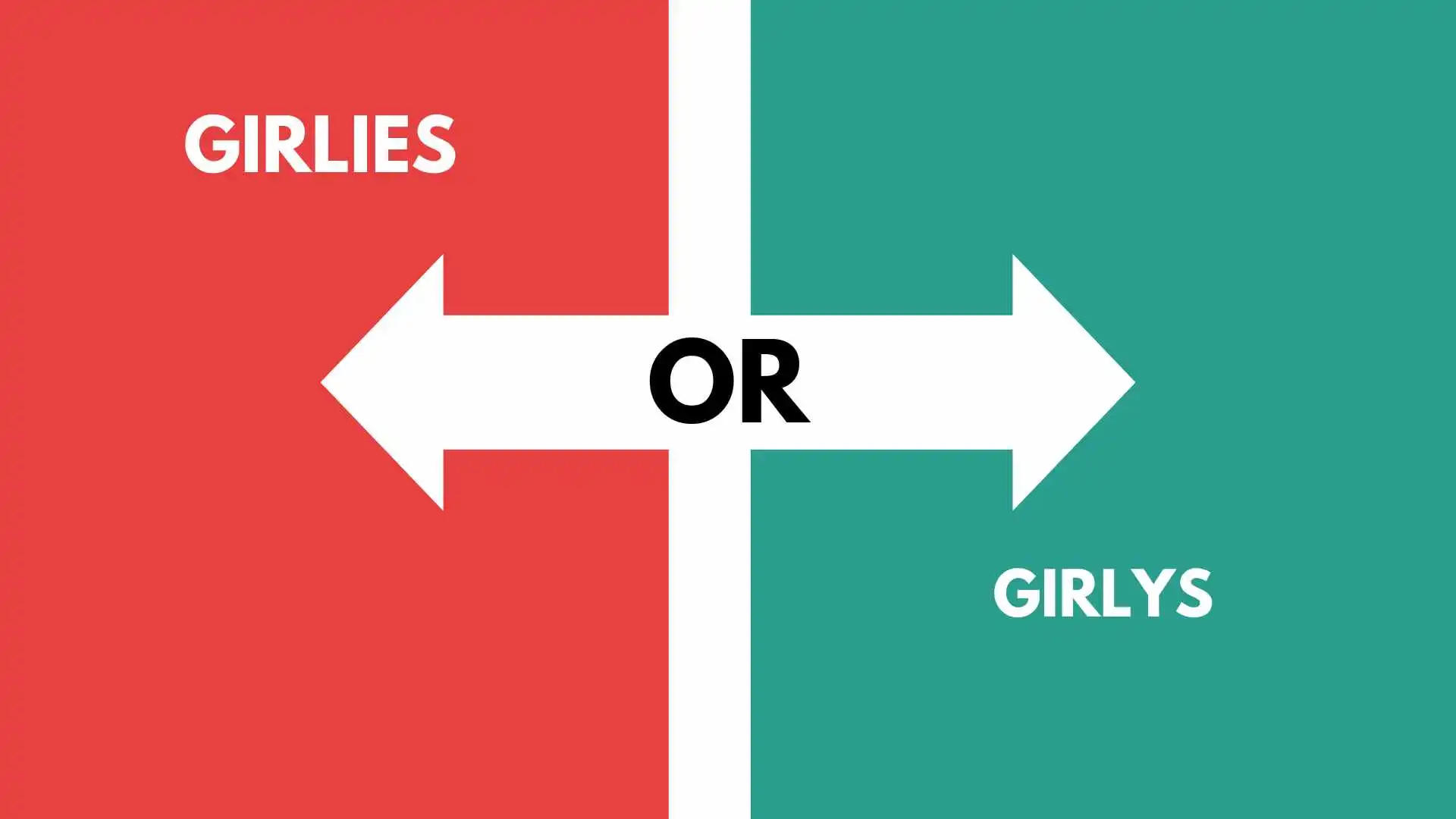
If you’ve ever wondered whether “Girlies” or “Girlys” is the correct way to write this casual word, you’re not alone. Both versions may look familiar, especially in social media posts, text messages, captions, and friendly conversations, but they are not equally common or correct.
“Girlies” is the widely accepted and natural plural form of “girlie,” and it is often used as a warm, playful way to refer to a group of girls or female friends.
You may see it used in phrases like “Hey, girlies!” or “My girlies are coming over tonight.”
Quick Answer: Girlies or Girlys?
“Girlies” is the correct spelling. When a word ends in a consonant + Y (like “girly”), you change the Y to I and add “es” to form the plural never just add an “s” to make “girlys.”
What Does “Girlies” Mean? 📖
Girlies is the informal, plural form of “girlie” (also spelled “girly”), commonly used as a casual, affectionate term for female friends or young women.
Common Uses of “Girlies”
- As a friendly, casual term for friends:
- “Girlies, let’s plan a brunch this weekend! 🥂”
- “Missing my girlies so much right now.”
- In social media captions:
- “Girls’ trip with my favorite girlies 🌴📸”
- “Girlies who support girlies that’s the vibe.”
- As a lighthearted, trendy expression:
- “The girlies are back together for another fun night out!”
- In pop culture/internet slang:
- “Attention girlies: new skincare drop is here! 💄”
💡 Note: “Girlies” is informal and mostly used in casual speech, texting, and social media not typically used in formal or professional writing.
Why “Girlys” Is Incorrect ❌
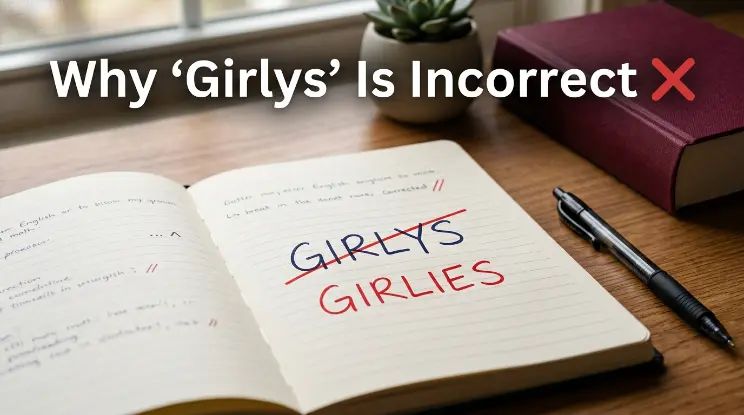
“Girlys” breaks a fundamental English spelling rule about pluralizing words that end in Y.
The Rule Behind It
In English, when a word ends in a consonant + Y, you typically:
- Drop the Y
- Add “IES” to form the plural
Look at these familiar examples that follow the same pattern:
| Singular | Correct Plural | Incorrect Plural |
| Baby | Babies | ❌ Babys |
| Party | Parties | ❌ Partys |
| Story | Stories | ❌ Storys |
| Puppy | Puppies | ❌ Puppys |
| Girly/Girlie | Girlies | ❌ Girlys |
See the pattern? “Girly” follows the exact same rule as “baby” and “party” so “girlies” is the only grammatically correct plural form. ✅
🚫 Exception to remember: This rule only applies when Y follows a consonant. If Y follows a vowel (like in “boy” or “day”), you simply add an “s” “boys,” “days.” But since “girly” ends in “consonant + Y” (L + Y), it follows the “ies” rule.
Girlies or Girlys Meaning
Girlies is the correct spelling when you are using girlie as an informal plural. It can mean girls, female friends, or a group of girls in a cute, friendly, or playful way. Girlys is generally incorrect in standard English.
Example: “Hey, girlies! What are you doing tonight?”
Which Is Correct, “Girlie” or “Girlys”?
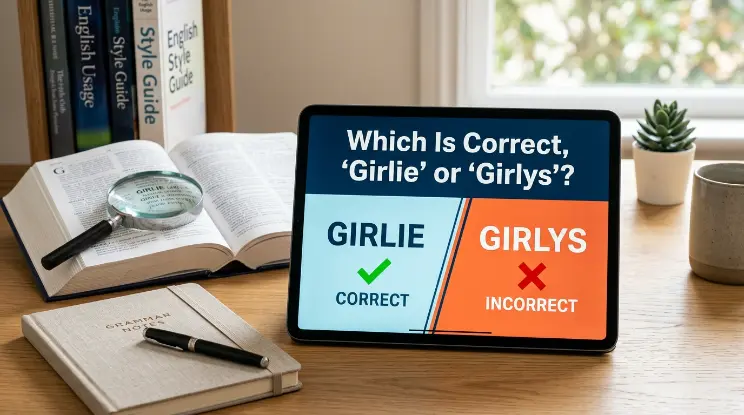
Girlie is a correct informal word, while girlys is generally incorrect. Girlie can be used as a friendly way to address a girl or female friend, especially in casual texting and social media. If you want the plural, use girlies, not girlys.
| Word | Correct? | Meaning | Example |
|---|---|---|---|
| Girlie | ✅ Yes | A girl or female friend, used affectionately | “Hey, girlie!” |
| Girlys | ❌ Usually no | Nonstandard spelling | ❌ “Hey, girlys!” |
| Girlies | ✅ Yes | More than one girl/female friend | “Hi, girlies!” |
Is It “Thanks, Girly” or “Thanks, Girlie”?
Both girly and girlie can be used informally, but “Thanks, girlie!” is a common affectionate way to address a female friend.
- Thanks, girlie! → friendly, cute, affectionate
- Thanks, girly! → also possible, especially in casual social-media language
- Thanks, girlies! → addressing several girls
Example:
“Thanks, girlie! You’re so sweet.” 💕
Here, girlie works as a friendly form of address.
Thanks Girly or Girlie
If you’re choosing between the two for a casual message, “Thanks, girlie!” is the more clearly established spelling for an affectionate nickname.
| Phrase | Meaning | Usage |
|---|---|---|
| Thanks, girlie! | Thanks, female friend! | ✅ Very natural and friendly |
| Thanks, girly! | Thanks, girl/friend! | ✅ Casual and playful |
| Thanks, girlies! | Thanks, girls! | ✅ For multiple friends |
| Thanks, girlys! | Intended to mean “thanks, girls” | ❌ Incorrect spelling |
The comma is also useful because girlie/girly is being used as a direct form of address: “Thanks, girlie!”
Girlie or Girly Pop
Girlie and girly pop are both informal expressions, but they have slightly different uses.
| Term | Meaning | Tone | Example |
|---|---|---|---|
| Girlie | A girl or female friend; affectionate nickname | Cute, friendly | “Hey, girlie!” |
| Girly | Feminine, or an informal way to address a girl/friend | Casual, playful | “Thanks, girly!” |
| Girly pop | Playful internet slang for a girl/female friend | Very casual, affectionate, social-media style | “Come on, girly pop, we’re going!” |
Girly pop is not a formal English term. It is mainly used playfully online and in casual conversations. It can sound more humorous or exaggerated than simply girlie.
Quick Answer
“Thanks, girly!” ✅ — also casual and playful
Girlies ✅ — plural
Girlys ❌ — generally incorrect
Girlie ✅ — singular, affectionate
Girly ✅ — informal/casual
Girly pop ✅ — playful internet slang
“Thanks, girlie!” ✅ — natural and friendly
Comparison Table: Girlies vs Girlys 📊
| Feature | Girlies ✅ | Girlys ❌ |
| Correct Spelling? | Yes | No |
| Grammar Rule | Consonant + Y → change Y to I + “es” | Incorrectly adds “s” without changing Y |
| Common Usage | Social media, casual conversation, texting | Rarely accepted; considered a typo |
| Example Sentence | “My girlies are the best support system.” | “My girlys are the best support system.” ❌ |
| Similar Word Pattern | Baby → Babies, Party → Parties | N/A (incorrect pattern) |
Girlys or Girlies?
Girlies is the correct standard spelling when you mean a cute or informal plural of girly/girl in casual language. Girlys is generally incorrect.
| Word | Correct? | Meaning | Example |
|---|---|---|---|
| Girlies | ✅ Correct | Informal/cute way to refer to girls or female friends | “Hey, girlies! How are you?” |
| Girlys | ❌ Usually incorrect | Not the standard plural spelling | ❌ “Hey, girlys!” |
Why is it “Girlies”?
When a word ending in -y changes to a plural form, the y often changes to -ies. For example:
- Girly → Girlies
- Baby → Babies
- Party → Parties
- Story → Stories
Easy tip: If you mean a group of girls in a friendly or playful way, use girlies.
Common Mistakes to Watch Out For 🚩
- Simply adding “s” instead of changing Y to I
- ❌ “Shoutout to all my girlys!”
- ✅ “Shoutout to all my girlies!”
- Inconsistent spelling across captions or posts
- Some people alternate between “girlies” and “girlys” without realizing only one is correct.
- Confusing this rule with vowel + Y words
- Remember: “boy” → “boys” (vowel + Y, just add “s”)
- But: “girly” → “girlies” (consonant + Y, change to “ies”)
- Using it in formal writing
- “Girlies” is informal slang avoid using it in resumes, academic papers, or professional emails.
Memory Trick to Never Forget This Rule 🧠
Here’s an easy way to remember it forever:
If a consonant comes right before the Y, the Y turns into “IE” before adding S. 👯♀️
Think of it like this: “Girly” already has an L before the Y (a consonant), so it transforms just like “baby” becomes “babies,” “girly” becomes “girlies.”
Quick visual reminder:
- Consonant + Y → change Y to IES (Baby → Babies, Girly → Girlies) ✅
- Vowel + Y → just add S (Boy → Boys, Day → Days) ✅
Real-Life Examples From Everyday Communication 🗣️
📧 In a Casual Email
“Hey girlies, just confirming brunch plans for Saturday at 11 AM!”
📱 On Social Media
“Girls’ night with my favorite girlies 💕 #FriendshipGoals”
📰 In Lifestyle/Pop Culture Writing
“The show has become a cultural phenomenon among young girlies across social media.”
🎓 In Academic Writing
This term is not typically used in academic or formal writing since it’s considered informal slang.
💬 In Everyday Speech
“I told my girlies we’re doing a spa day this weekend!”
British vs American English: Any Differences? 🇬🇧🇺🇸
There’s no spelling difference between British and American English for this word the “consonant + Y → IES” pluralization rule applies universally in both dialects.
| Region | Usage Notes |
| British English | “Girlies” is used casually, though slightly less trendy than in American slang |
| American English | “Girlies” has become widely popular in social media and pop culture slang |
| Both | The spelling rule (Y → IES) remains identical in both regions |
Why “Girlies” Is Trending Right Now 📈
Thanks to TikTok, Instagram, and internet culture, “girlies” has become a viral, affectionate way to address friend groups, communities, or even followers online. You’ll often see:
- “Attention girlies! 🚨” (used to introduce announcements or products)
- “Girlies who get it, get it” (a phrase implying shared understanding or humor)
- “Girlies supporting girlies” (a phrase promoting solidarity among women)
Because this word appears so often in captions, hashtags, and comments, getting the correct spelling right helps your content look polished even in casual, trendy posts. Search interest in “girlies vs girlys spelling” has grown alongside this slang term’s rising popularity.
FAQs: People Also Ask ❓
1. Is “girlies” or “girlys” the correct spelling?
“Girlies” is correct. Since “girly” ends in a consonant + Y, the Y changes to “IES” when forming the plural.
2. Why isn’t “girlys” correct if other words just add an “s”?
Words ending in a vowel + Y (like “boy” or “day”) simply add “s,” but “girly” ends in a consonant + Y, so it follows the “change Y to IES” rule instead.
3. Is “girlies” formal or informal English?
It’s informal slang, commonly used in casual conversation, texting, and social media not appropriate for formal or professional writing.
4. What’s an example of correct usage of “girlies”?
“My girlies and I are planning a weekend getaway” is a correct, casual use of the word.
5. Are there other words that follow the same spelling rule as “girlies”?
Yes! Words like “baby → babies,” “party → parties,” and “story → stories” follow the exact same consonant + Y → IES rule.
6. Is “girlies” used differently in British vs American English?
No major difference both dialects use the same spelling rule, though the slang usage is especially popular in American internet culture.
7. Can “girlies” refer to anyone besides close friends?
Yes, it’s often used more broadly to address a wider audience, like followers on social media or a general female audience in casual content.
8. What’s the easiest way to remember this spelling rule?
Remember: consonant + Y becomes “IES” (girly → girlies), while vowel + Y just adds “S” (boy → boys).
Final Takeaway: Girlies or Girlys? 🎯
Quick recap before you post that caption:
- ✅ Girlies = correct plural of “girly,” following the consonant + Y → IES rule
- ❌ Girlys = incorrect, breaks standard English pluralization rules
- 🧠 Memory trick: Baby → Babies, Girly → Girlies same pattern, every time
- 📱 Perfect for casual captions, texts, and social media just not formal writing
Now you can confidently caption your next group photo, text your friend group, or write that fun social post knowing you’ve spelled it exactly right. Go get your girlies together! 💖
Read More About This
Led To or Lead To? The Grammar Mistake Almost Everyone Makes 2026
Master’s or Masters? The Apostrophe Confusion Everyone Gets Wrong 2026
Coliseum or Colosseum: Correct Spelling and Meaning for 2026
Artic or Arctic: Which Spelling Is Actually Correct? 2026

Olivia Bennett is a passionate English grammar writer at GrammBoost.com who loves making grammar simple and easy to understand. She specializes in spelling, word differences, punctuation, and everyday English usage. Through clear explanations and practical examples, Olivia helps students, writers, and professionals write with greater confidence and accuracy.